
Holistic Dental Remedies for Summer Cat and Dog Breath
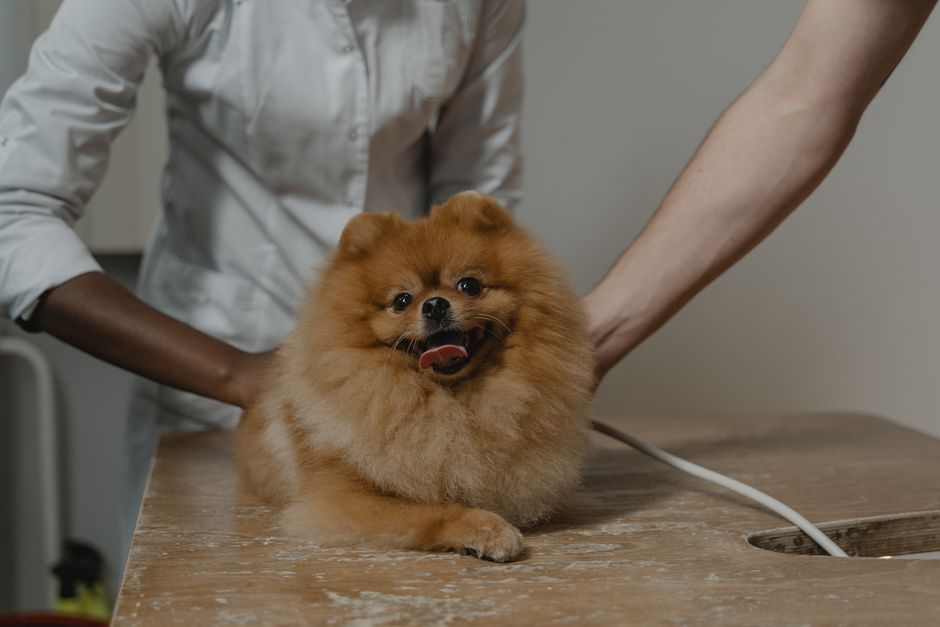
Holistic Dental Remedies for Summer Cat and Dog Breath
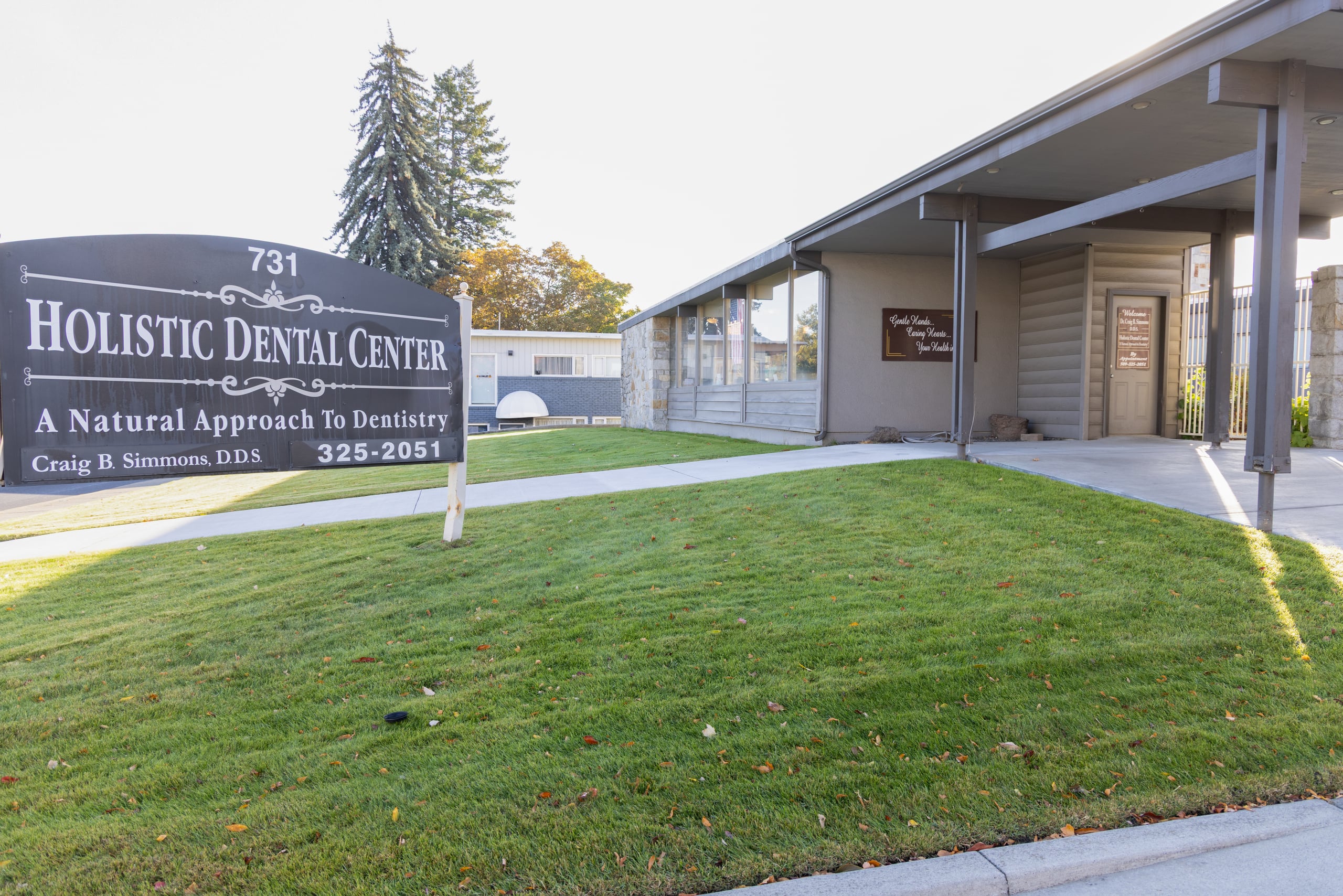
As summer arrives in Spokane and the days get warmer, many pet owners notice that their furry companions’ breath can become less than fresh. Bad breath in cats and dogs is a common concern, especially in the hotter months when pets may be panting more or spending extra time outdoors. At The Holistic Dental Center, located at 731 W Indiana Ave, Spokane, WA 99205, we understand how troubling it can be when you get a whiff of foul odor every time your pet snuggles up. While our primary focus is on holistic dental care for people, our philosophy of gentle, preventive, and natural solutions can inspire pet owners to approach animal oral health with the same care and thoughtfulness. In this blog, we’ll explore why summer can make pet breath worse, how to spot signs of dental problems in your cat or dog, and holistic approaches you can try at home to keep your companion’s mouth healthy and fresh. We’ll also discuss when it’s time to seek veterinary care so you can enjoy the season with a happy, healthy pet by your side.
Recognizing Summer Bad Breath in Cats and Dogs
It’s not always easy to tell when your pet’s breath has crossed from normal to problematic, especially if you’re used to a little “doggy breath” or a hint of tuna from your cat. However, truly unpleasant mouth odor is not something you should ignore. Signs that your pet’s breath may be more than just “normal” include a strong, persistent odor that doesn’t go away after they’ve eaten or drunk water, a sour or rotten smell that seems to linger, and noticeable changes in their eating or grooming habits. Cats may start to drool, avoid dry food, or groom themselves less, while dogs may paw at their mouths or shy away from chew toys they used to love.
Other warning signs to watch for are red or swollen gums, visible tartar buildup, or any blood in the saliva. If your pet is suddenly reluctant to let you near their mouth, or you notice changes in their behavior like decreased appetite or hiding, dental discomfort could be the cause. Summer can make these issues worse, as higher temperatures contribute to more bacterial growth in the mouth and increased panting can dry out oral tissues, making odors more pronounced.
Why Does Summer Make Pet Breath Worse?
Understanding why your cat or dog’s breath seems worse in the summer starts with a look at the causes of bad breath in pets. The most common reason for foul mouth odor is dental disease. Plaque and tartar buildup on the teeth harbor bacteria that produce smelly compounds, and as dental problems progress, inflammation and infection can set in. In warm weather, bacteria can multiply more rapidly, and pets who pant or drink less may have drier mouths, which further encourages bacterial growth.
Diet also plays a role; pets who spend more time outside in the summer may chew on grass, sticks, or things they find in the yard, all of which can contribute to mouth odor. Hot weather can affect hydration, and dehydration means less saliva to naturally rinse the mouth. Other medical conditions, like kidney disease or diabetes, can also cause changes in breath, so it’s important to consider the whole picture.
Environmental factors unique to summer, such as increased outdoor activity and exposure to garden chemicals or decaying organic material, can also play a part. If your pet is licking or chewing on things found during summertime adventures, these can introduce new sources of bacteria or toxins that affect oral health and breath.
Holistic Approaches to Managing Pet Breath
When it comes to addressing bad breath in cats and dogs, a holistic approach means considering your pet’s overall health, not just masking the odor. Professional veterinary dental care remains the gold standard for diagnosing and treating underlying dental disease, but there are many gentle, natural steps you can take at home to support oral health, especially in the summer.
One of the most effective strategies is establishing a regular toothbrushing routine using a pet-safe toothpaste. Brushing your pet’s teeth every day, or at least several times a week, helps remove food particles and plaque before they harden into tartar. Many pets can learn to accept toothbrushing with patience, positive reinforcement, and the right tools; starting slowly and choosing a time when your pet is calm can make the process easier.
In addition to brushing, offering appropriate chew toys and dental treats formulated for cats or dogs can help mechanically clean the teeth and massage the gums. Look for products approved by veterinary dental organizations, and avoid bones or hard chews that could break teeth. For cats, dental diets or treats designed to reduce tartar can be particularly helpful.
Water additives made from natural ingredients like chlorophyll, parsley, or herbal extracts can freshen breath and support oral hygiene, though you should always consult your veterinarian before introducing any supplement. Some pet owners find that adding a small amount of coconut oil to their pet’s food or using it to gently rub the gums provides antimicrobial benefits and soothes inflammation.
Nutrition plays a critical role in oral health; feeding a balanced, species-appropriate diet with minimal fillers and artificial additives can reduce the risk of dental problems. For pets that spend time outdoors, ensure they have access to clean, fresh water at all times to support hydration and natural mouth cleansing.
Environmental management is also important in summer. Supervise your pet’s outdoor activities to prevent them from munching on questionable items, and clean up yard debris regularly. For pets prone to allergies or sensitivities, avoiding chemical lawn treatments can help keep the mouth and body in balance.
Preventing Bad Breath: Home Care Routines for Summer
Consistency is key when it comes to preventing bad breath and dental disease in your cat or dog. Incorporating oral care into your summer routine can help set your pet up for long-term health. Begin by inspecting your pet’s mouth regularly; gently lift the lips and look for signs of redness, swelling, or tartar. For pets who are comfortable with handling, daily toothbrushing with a soft brush and pet-safe paste is the cornerstone of prevention.
If toothbrushing isn’t an option, dental wipes or gels can offer a gentle alternative, and many are made with holistic, natural ingredients that freshen breath while supporting oral tissues. Encouraging your pet to chew on safe toys, dental sticks, or rawhide alternatives helps keep teeth clean. Remember that not all products marketed for dental health are equally effective, so ask your veterinarian for recommendations tailored to your pet’s needs.
Hydration is especially important in Spokane’s warm summers. Make sure your pet’s water bowl is always filled with fresh, cool water and clean it daily to prevent bacterial buildup. You can add a few sprigs of fresh parsley to the water for a mild, natural breath freshener, but always ensure your pet tolerates any new addition well.
For a truly holistic approach, consider your pet’s overall wellness; regular exercise, a healthy diet, and stress reduction all contribute to a healthier mouth. Holistic veterinarians may suggest supplements like probiotics, which can support healthy oral flora and reduce odor-causing bacteria.
When to Seek Veterinary Care for Pet Breath Problems
While home care and holistic remedies can go a long way in maintaining your pet’s dental health, there are times when professional evaluation and treatment are necessary. If your cat or dog’s bad breath persists despite your best efforts, or if you notice symptoms such as drooling, difficulty eating, pawing at the mouth, or bleeding from the gums, it’s time to schedule a veterinary appointment. Likewise, sudden changes in breath odor—especially if accompanied by lethargy, vomiting, or changes in drinking and urination habits—can indicate underlying medical conditions that require prompt attention.
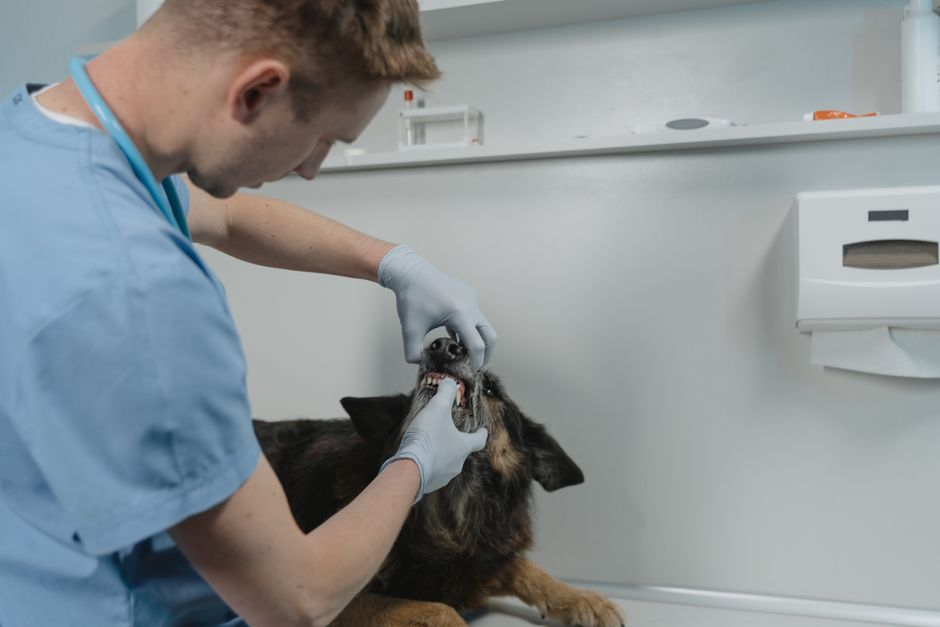
Veterinarians have the expertise and tools to perform thorough dental examinations and cleanings, often under anesthesia, to address problems that home care cannot resolve. Advanced dental disease, abscesses, broken teeth, or oral tumors require prompt and professional intervention. Your veterinary team can also recommend safe and effective dental products and help you develop a home care routine tailored to your pet’s unique needs.
Remember that early intervention is key; untreated dental disease can lead to pain, infection, and even systemic health problems affecting the heart, liver, or kidneys. Annual veterinary dental checkups are the best way to catch issues early, and many veterinary practices in Spokane and surrounding communities offer preventive dental care as part of their wellness programs.
Supporting Your Pet’s Whole-Body Wellness Year-Round
At The Holistic Dental Center in Spokane, our commitment to gentle, preventive, and natural care extends beyond our human patients. We believe that every member of your family deserves a healthy mouth and a happy life, including your beloved cat or dog. By recognizing the signs of dental problems, understanding the factors that make summer a challenging time for pet breath, and implementing holistic home care routines, you can help your companion thrive all season long.
If you’re searching for a veterinarian near me who understands the importance of whole-body wellness for your pet, don’t hesitate to connect with your trusted local veterinary professionals for guidance. Should you have concerns about your cat or dog’s breath or oral health, schedule an appointment with your veterinarian for a comprehensive evaluation. For holistic dental care for your family, our team at The Holistic Dental Center welcomes you to experience the difference that a thoughtful, natural approach can make.
To schedule a visit or learn more about our holistic philosophy, call us at (509) 557-7549 or stop by our convenient location at 731 W Indiana Ave, Spokane, WA 99205. Together, we can help your whole family—human and animal alike—enjoy fresh breath and vibrant health this summer and beyond.
This article is for informational purposes only and should not replace professional veterinary advice. Always consult your veterinarian for specific recommendations regarding your pet’s health and dental care.